



Table of Contents
ToggleLubbock’s high desert climate brings unique challenges for homeowners trying to keep a clean house. The constant wind kicks up fine dust that infiltrates every corner, while low humidity creates static cling that makes surfaces attract grime like magnets. Add seasonal allergens from mesquite, ragweed, and cotton harvests, and you’ve got a cleaning situation that demands more than occasional sweeping. Whether you’re tackling the work yourself or weighing professional help, understanding how Lubbock’s environment affects your home makes the difference between wasting time and actually staying ahead of the mess.
Key Takeaways
- Lubbock’s high desert climate with constant 12–15 mph winds and low humidity requires house cleaning on a more frequent schedule—dust can accumulate noticeably within 48–72 hours—making regular cleaning essential for both comfort and health.
- Change HVAC filters monthly instead of every 90 days and vacuum at least twice weekly with HEPA filters to prevent fine dust and allergens from recirculating throughout your home.
- Hard water deposits and grime respond well to budget-friendly solutions like white vinegar and microfiber cloths; professional deep carpet cleaning every 12–18 months removes allergens that regular vacuuming misses.
- Seal entry points with weatherstripping and caulk, use 3×5-foot doormats, and run exhaust fans during and 15 minutes after showers to minimize dust and moisture accumulation inside.
- Professional house cleaning services are worth the investment for post-construction cleanup, deep carpet extraction, and window cleaning on multi-story homes where DIY efforts fall short.
Why Regular House Cleaning Matters in Lubbock’s Climate
Lubbock sits at 3,200 feet elevation on the Llano Estacado, where sustained winds average 12-15 mph year-round. That wind carries fine particulate matter, caliche dust, soil particles, and agricultural debris, that settles on windowsills, floors, and HVAC filters faster than in most regions.
Dust accumulation isn’t just cosmetic. Lubbock County registers moderate to high pollen counts from February through October, with mesquite, oak, and various grasses triggering allergies. When dust mixes with pollen indoors, it settles into carpets, upholstery, and bedding, creating respiratory irritants that affect sleep quality and daily comfort.
Low humidity (annual average around 50%, dropping to 25-30% in winter) means dust doesn’t settle, it stays airborne longer. Static electricity makes it cling to electronics, baseboards, and ceiling fan blades. Without regular cleaning, a fine layer builds up within 48-72 hours of wiping surfaces.
HVAC systems work overtime in Lubbock’s temperature swings (summer highs over 95°F, winter lows in the 20s). Dirty filters and dusty ductwork reduce efficiency by 15-25%, driving up utility bills. Changing 1-inch pleated filters monthly instead of the standard 90-day interval keeps airflow optimal and reduces the dust recirculation that coats your home.
Regular cleaning also protects your investment. Caliche dust is alkaline and abrasive. Left on wood floors or tile grout, it acts like fine sandpaper, wearing finishes and etching surfaces over time.
DIY House Cleaning Tips for Lubbock Homeowners
Lubbock homeowners can stay ahead of dust and allergens with targeted strategies that match the local environment. The key is frequency and technique, not just elbow grease.
Room-by-Room Cleaning Strategies
Kitchen: Grease and dust combine quickly on range hoods and cabinet tops. Degrease range hoods monthly with a 1:1 mix of white vinegar and water or a dedicated degreaser like Krud Kutter. Wipe cabinet tops weekly, dust settles there even if you don’t cook often.
For tile backsplashes and countertops, use a microfiber cloth dampened (not soaked) with an all-purpose cleaner. Avoid excess water on grout: Lubbock’s low humidity doesn’t help it dry, and standing moisture invites mildew even in dry climates if water sits in crevices.
Bathrooms: Hard water in Lubbock (average 150-200 ppm) leaves mineral deposits on faucets, showerheads, and glass doors. Spray fixtures weekly with diluted white vinegar (1:1 with water), let sit 5 minutes, then scrub with a non-abrasive pad. For stubborn buildup, use CLR or Lime-A-Way, following label instructions and wearing nitrile gloves.
Ventilation matters. Run the exhaust fan during and 15 minutes after showers to prevent moisture from mixing with dust and creating grime on walls and ceilings.
Bedrooms: Launder bedding every 7-10 days in hot water (130°F minimum) to kill dust mites, which thrive even in dry climates. Vacuum mattresses monthly with an upholstery attachment. Wipe ceiling fan blades weekly: they’re dust magnets and redistribute particles when running.
Living Areas: Vacuum carpets and rugs twice weekly using a vacuum with a HEPA filter. Lubbock dust is fine enough to pass through standard vacuum exhaust, re-entering the air. For hard floors, damp-mop with a microfiber mop rather than dry-sweeping, which just kicks dust back into circulation.
Dust furniture with microfiber cloths or electrostatic dusters (like Swiffer), which trap particles instead of spreading them. Work top to bottom, ceiling fans and light fixtures first, then surfaces, then floors.
Tackling Lubbock Dust and Allergens
Entry points matter. Place commercial-grade doormats (coir or rubber-backed nylon) at every exterior door. They capture 70% of incoming dirt if large enough (minimum 3×5 feet). Carry out a no-shoes policy or keep a shoe rack just inside the door.
Seal windows and doors. Lubbock homes, especially older builds, often have gaps around window frames and door weatherstripping. Run a bead of acrylic latex caulk around window trim indoors where it meets the wall. Replace worn door sweeps and weatherstripping: even 1/8-inch gaps invite dust.
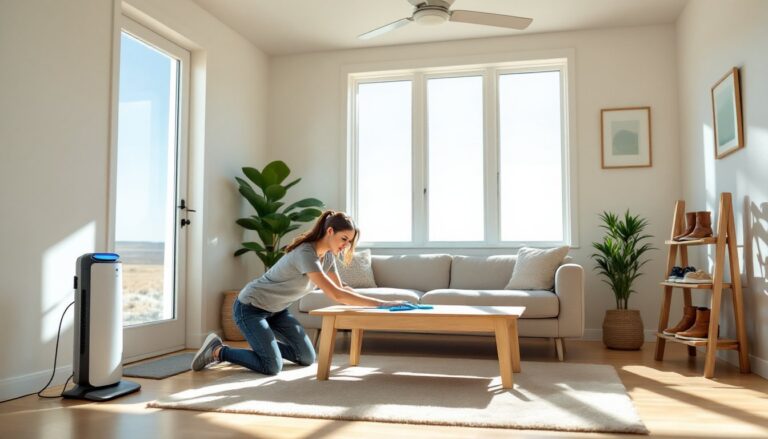
Air purifiers work in Lubbock, but size them correctly. A unit rated for 300 square feet won’t handle a 500-square-foot living room effectively. Look for true HEPA filters (99.97% of particles ≥0.3 microns) and CADR ratings appropriate to your room size. For homes prone to cleaning challenges, running purifiers during high-wind days makes a measurable difference.
Change HVAC filters religiously. Standard MERV 8 filters work for most homes, but if allergies are an issue, upgrade to MERV 11-13. Higher ratings restrict airflow in older systems, so check your furnace manual before going above MERV 13. Mark filter changes on a calendar, out of sight, out of mind leads to clogged filters and recirculated dust.
Vacuum vents and returns quarterly. Remove vent covers, wipe them with a damp cloth, then vacuum the duct opening as far as the hose reaches. Professional duct cleaning every 3-5 years handles the rest, especially if you’ve done renovations or have pets.
When to Hire Professional Cleaning Services in Lubbock
Not every cleaning task is a DIY project, and knowing when to call in professionals saves time, prevents damage, and handles jobs that require specialized equipment.
Deep carpet cleaning should happen every 12-18 months, even with regular vacuuming. Lubbock dust embeds deep in carpet fibers, and rental machines lack the water extraction power of truck-mounted units. Professionals use hot water extraction (steam cleaning) at higher temperatures and pressures than homeowner equipment, removing allergens and grime that vacuuming misses.
Post-construction or renovation cleaning is a solid candidate for pros. Drywall dust is insidious, it coats everything and clogs vacuum filters in minutes. Professional crews have industrial HEPA vacuums and understand the sequence: high dusting, wall wiping, floor cleaning, then final detail work.
Move-in/move-out cleaning often makes sense, especially if you’re juggling a tight schedule. Pros tackle baseboards, inside cabinets, appliance interiors, and window tracks, the details landlords and buyers notice.
Window cleaning on two-story homes or hard-to-reach exterior glass is safer left to insured professionals with proper ladders and equipment. Lubbock’s wind can make ladder work hazardous for the inexperienced.
Hoarding situations or homes with excessive clutter require professionals trained in sanitation and often involve coordination with waste removal services. This goes beyond cleaning into remediation.
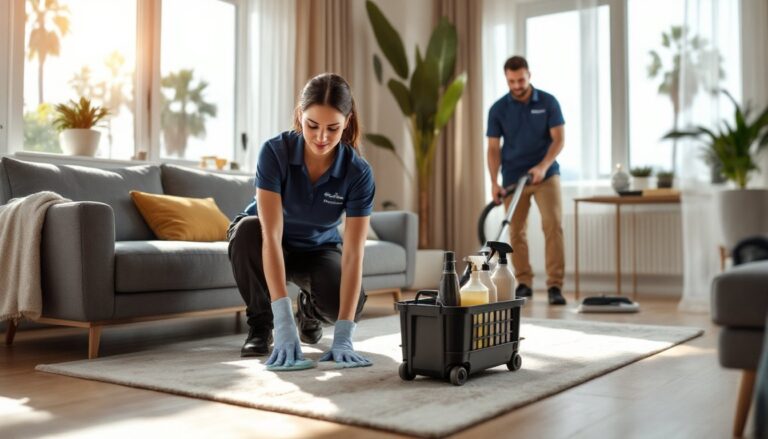
When hiring, verify liability insurance and workers’ compensation coverage. Ask if they bring their own supplies or if you provide them. Request a written estimate detailing what’s included, some companies charge extra for inside ovens, inside refrigerators, or window cleaning.
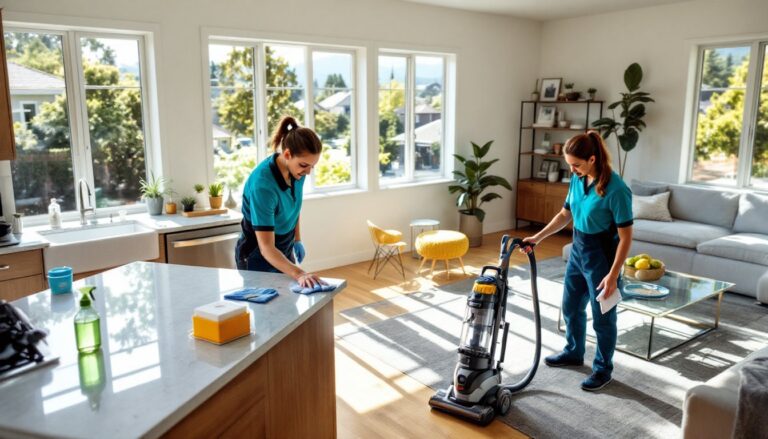
Lubbock has multiple cleaning home services providers, from independent operators to franchises. Read recent reviews (within the past year) and ask about staff background checks if security is a concern. For detailed approaches to various cleaning tasks, resources like The Spruce offer comprehensive guides on what to expect from professional services.
Cost-Effective Cleaning Solutions for Your Lubbock Home
Keeping a Lubbock home clean doesn’t require a cabinet full of specialty products or expensive equipment. Smart choices stretch budgets without sacrificing results.
Multi-purpose cleaners handle most jobs. A gallon of concentrated all-purpose cleaner (Simple Green, Fabuloso, or store brands) diluted per label instructions costs $8-12 and lasts months. For daily wipe-downs, a spray bottle of 1:10 diluted dish soap works on counters, appliances, and most hard surfaces.
White vinegar (5% acetic acid) is the workhorse for Lubbock’s hard water. A gallon runs $3-4 and tackles mineral deposits, soap scum, and glass streaks. Mix 1:1 with water in a spray bottle. Don’t use it on natural stone (marble, granite) or waxed floors, it’s acidic enough to etch or dull finishes.
Baking soda functions as a gentle abrasive for sinks, tubs, and stovetops. Make a paste with water, scrub, then rinse. It also neutralizes odors in drains, garbage disposals, and refrigerators.
Microfiber cloths ($1-2 each in bulk) outperform paper towels and last hundreds of washes. Keep separate colors for different tasks, blue for glass, green for general cleaning, red for bathrooms, to avoid cross-contamination.
For tools, a basic upright vacuum with a HEPA filter starts around $150 (Bissell, Hoover, or Shark models). If you have primarily hard floors, a canister vacuum or stick vacuum (cordless models around $200-300) offers convenience. Don’t over-invest in features you won’t use: strong suction and HEPA filtration matter more than LED headlights.
A quality spin mop ($30-50) with microfiber heads reduces water waste and dries floors faster than traditional mops. Replace heads every 3-6 months or when they show wear.
Steam cleaners (handheld units $40-80, full-size $150-250) sanitize without chemicals, effective on tile, grout, and sealed hard floors. They’re optional but useful for households avoiding chemical cleaners due to allergies or pets.
Buy in bulk when possible. Warehouse clubs (Costco, Sam’s Club) sell large packs of microfiber cloths, trash bags, and cleaning concentrates at per-unit costs 30-50% below grocery stores.
Skip single-use products marketed for specific tasks, wood floor cleaner, granite polish, stainless steel wipes. Most are repackaged versions of basic formulas. A damp microfiber cloth handles daily maintenance on nearly all surfaces.
DIY air freshening beats aerosols and plug-ins. Simmer orange peels, cinnamon sticks, and cloves in water on the stove, or set out bowls of baking soda to absorb odors. Lubbock’s dry air evaporates liquid air fresheners quickly, making them poor value.
Conclusion
Lubbock’s climate demands a cleaning routine that addresses constant dust, hard water, and allergens head-on. Whether handling it yourself with the right tools and frequency or bringing in professionals for deep work, the goal is the same: a home that stays comfortable and protected from the elements. Start with consistent basics, filters, doormats, microfiber cloths, and scale up from there.