


Table of Contents
ToggleParker homeowners face a unique set of cleaning challenges. With Colorado’s notorious dust, seasonal pollen from the prairie grasslands, and fine red clay that seems to track into every corner, keeping a house clean here isn’t the same as maintaining a home in, say, humid Florida or the Pacific Northwest. Add in Parker’s rapid growth, new construction dust, unpaved trails, and high-traffic family lifestyles, and you’ve got a recipe for constant upkeep. This guide breaks down practical, room-specific cleaning strategies tailored to Parker’s environment, clarifies when DIY makes sense versus calling in professionals, and lays out a realistic schedule that won’t eat your weekends.
Key Takeaways
- House cleaning in Parker, CO requires a strategic approach tailored to Colorado’s semi-arid climate, low humidity, prairie dust, and hard water conditions that differ from cleaning strategies used in humid regions.
- Entry points and high-traffic areas demand the most attention in Parker homes—use commercial-grade walk-off mats, maintain HEPA-filter HVAC systems, and upgrade filters monthly during pollen season to combat dust infiltration.
- Hard water deposits are a major challenge for Parker homeowners; prevent staining by drying fixtures immediately and remove existing buildup using white vinegar or citric acid solutions rather than standard all-purpose cleaners.
- Establish a realistic weekly cleaning schedule focused on daily kitchen and bathroom maintenance, weekly vacuuming with HEPA filters and microfiber cloths, and monthly deep cleaning of appliances, vents, and hard water-stained surfaces.
- Professional house cleaning services in Parker ($100–$400 per visit depending on frequency and scope) make sense for post-construction cleanup, recurring maintenance in busy households, or when dust-related health concerns require stricter indoor air quality control.
- Seasonal adjustments are essential—increase vacuuming frequency to three times weekly during spring and summer pollen peaks, then reduce to biweekly in winter when outdoor dirt infiltration decreases.
Why Parker Homeowners Need a Strategic Cleaning Approach
Parker sits at 5,869 feet elevation on Colorado’s Front Range, where the semi-arid climate creates specific cleaning demands. Low humidity means dust doesn’t settle, it circulates. Static electricity attracts particles to baseboards, window sills, and electronics.
The town’s proximity to open space and undeveloped land introduces prairie dust and pollen year-round, peaking spring through fall. If someone in the household hikes Cherry Creek Trail or rides at Sulphur Gulch, they’re bringing home fine sediment that standard vacuuming misses. Homes built after 2015, Parker added thousands of units in the last decade, often have open floor plans with hard surfaces (LVP, engineered hardwood) that show every streak and footprint.
Water quality also matters. Parker’s municipal water is moderately hard (around 8-12 grains per gallon), leaving mineral deposits on faucets, shower doors, and tile grout. These don’t wipe off with all-purpose cleaner: they need acidic solutions like white vinegar or citric acid.
A strategic approach means matching products and frequency to these conditions rather than following a generic cleaning schedule designed for humid climates or urban apartments.
DIY House Cleaning Tips for Parker Homes
Room-by-Room Cleaning Priorities
Entryways and mudrooms take the biggest beating. Install a commercial-grade walk-off mat (at least 3×5 feet) outside each entry and a second mat inside. These trap 80% of incoming dirt if they’re long enough for three full strides. Vacuum or shake mats twice weekly during spring and summer.
Keep a handheld vacuum or stick vac near the door. A quick pass after weekend hikes prevents tracked-in sediment from spreading. Wipe down door handles and light switches with disinfectant weekly, high-touch surfaces in active households harbor bacteria.
Kitchens require daily surface cleaning but deep tasks on rotation. Wipe counters and stovetops nightly. Weekly: degrease range hood filters (dish soap and hot water work fine), clean out the fridge, and mop floors with a pH-neutral cleaner to protect LVP or tile finishes. Monthly: pull out appliances to vacuum coils and wipe sidewalls, descale the coffee maker with white vinegar.
Parker’s hard water leaves white film on stainless sinks. After washing dishes, dry the sink with a microfiber towel to prevent spotting. For buildup, spray undiluted white vinegar, let it sit two minutes, then scrub with a non-abrasive pad.
Bathrooms need consistent attention to prevent hard water staining. After showers, squeegee glass doors or tile walls, this single habit cuts deep-cleaning time in half. Weekly: scrub toilets with a pumice stone for mineral rings (wear gloves: wet the stone first to avoid scratching porcelain). Use a grout brush and oxygenated cleaner on tile grout: Parker’s low humidity means mildew is less common than mineral deposits.
Ventilation fans collect dust that restricts airflow. Pop the cover off (most clip in) and vacuum the blades quarterly. If the fan stopped pulling moisture, dust buildup is usually the cause.
Living areas and bedrooms benefit from microfiber dust cloths, which use static to grab particles instead of pushing them around. Dust ceiling fan blades, baseboards, and window sills weekly. Colorado’s dry air generates more static, so switch to microfiber over feather dusters.
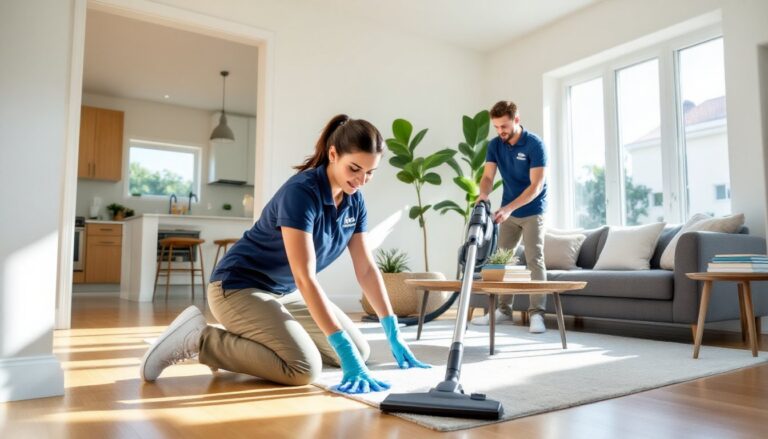
Vacuum carpets and rugs twice weekly with a HEPA-filter vacuum. Standard bag filters recirculate fine particles. For hard floors, vacuum first (brooms scatter dust), then damp-mop. Never wet-mop hardwood or LVP without wringing the mop nearly dry: excess water damages seams and planks.
Tackling Colorado’s Unique Cleaning Challenges
Dust control is the Front Range’s eternal battle. Change HVAC filters monthly during high-pollen months (April through September) and every two months in winter. Cheap fiberglass filters (MERV 1-4) don’t capture fine particles: upgrade to MERV 8-11 pleated filters. Check your system’s specs first, some older units can’t handle the airflow restriction of MERV 13 or higher.
Run bathroom and kitchen exhaust fans during and after use to reduce airborne particles. If your home has ceiling fans, run them year-round on low to keep air circulating and particles from settling on surfaces.
Hard water staining appears as white crust on faucets, shower heads, and glass. For prevention, dry fixtures after use. For removal, soak a paper towel in white vinegar, wrap it around the faucet or shower head, and leave it for 30 minutes. Scrub with an old toothbrush. For severe buildup, unscrew the aerator or shower head and soak overnight in a vinegar solution.
Static and pet hair cling aggressively in low humidity. Lightly mist furniture with water from a spray bottle before vacuuming, or wear dampened rubber gloves and run your hands over upholstery, hair clumps instantly. Dryer sheets rubbed on baseboards reduce static buildup for about a week.
Outdoor dust infiltration is inevitable near open space. Seal gaps under doors with weatherstripping or door sweeps. If you have forced-air heating, check ductwork for leaks, unsealed returns pull dust from attics and crawl spaces. Many Parker homes built during the construction boom have poorly sealed ducts: an HVAC tech can test and seal them with mastic (not duct tape, which fails).
When to Hire Professional House Cleaning Services in Parker
DIY cleaning works for routine maintenance, but some situations justify hiring a service, either one-time or recurring.
After construction or renovation, the dust is too fine and pervasive for shop vacs alone. Post-construction cleaning requires HEPA vacuums, tack cloths, and multiple passes. Professionals charge $200-$400 for a standard single-family home, depending on project scope. It’s worth it to avoid months of finding drywall dust in vent registers.
Move-in or move-out cleaning ensures security deposit return or prepares a new home. Services typically include inside cabinets, appliances, baseboards, and window tracks, tasks most people skip during occupied cleaning. Expect $150-$300 for a 2,000-square-foot home.
Deep cleaning twice a year resets baseline cleanliness. Professionals tackle ceiling fans, light fixtures, window sills, behind appliances, and other neglected zones. If you’re maintaining the home yourself weekly, a semi-annual deep clean keeps things from getting away from you. For Parker homeowners dealing with cleaning service challenges, professionals can assess recurring problem areas.
Recurring services (weekly, biweekly, or monthly) make sense for households with:
- Two working parents and active kids
- Elderly residents who can’t physically handle cleaning
- Health conditions (asthma, allergies) requiring stricter dust control
- Busy schedules where time is literally more valuable than the service cost
In Parker, recurring cleaning runs $100-$180 per visit for biweekly service on a 2,000-2,500 square foot home. Rates vary by company, frequency, and included tasks. Always clarify what’s covered: some services exclude inside ovens, inside fridges, or window washing unless you pay extra.
Check reviews carefully on platforms listing professional cleaners to verify insurance and background checks. A bonded, insured service protects you if something breaks or goes missing. Ask whether they bring supplies or expect you to provide them, some companies upcharge for products.
Be honest about home condition during the quote. If a company quotes based on “light cleaning” and arrives to find pet hair tumbleweeds and six months of grime, they’ll either leave or charge a surcharge. For anyone struggling with regular upkeep and considering services in nearby areas, exploring home cleaning services in other Colorado cities can offer insight into what to expect.
Creating Your Parker Home Cleaning Schedule
A realistic schedule beats an ambitious one you’ll abandon by February. Tailor frequency to Parker’s conditions and your household traffic.
Daily (5-10 minutes):
- Wipe kitchen counters and stovetop
- Squeegee shower walls or doors after use
- Vacuum or sweep high-traffic entryways
- Load/run dishwasher
Weekly (1.5-2 hours total):
- Vacuum all floors (carpets, rugs, hard surfaces)
- Mop hard floors
- Clean bathrooms (toilets, sinks, mirrors, showers)
- Dust surfaces, baseboards, ceiling fans
- Empty all trash cans
- Change bed linens
Biweekly:
- Vacuum upholstery and under couch cushions
- Wipe down cabinet fronts and light switches
- Clean interior windows and sills
Monthly:
- Deep-clean appliances (oven, fridge, dishwasher filter)
- Vacuum/dust vents and registers
- Wipe ceiling fan blades and light fixtures
- Check and change HVAC filter (more often during pollen season)
- Descale faucets and shower heads
Quarterly:
- Wash window exteriors (if ground-level and accessible)
- Vacuum refrigerator coils
- Clean dryer vent ductwork (fire hazard if neglected)
- Deep-clean grout and tile
- Wipe baseboards and door frames
Semiannually:
- Flip or rotate mattresses
- Wash or vacuum window treatments
- Clean inside cabinets and pantry
- Pressure-wash exterior walkways and patios (spring/fall)
- Professional deep clean or tackle neglected zones
Break tasks across the week. Monday: bathrooms. Wednesday: vacuum and dust. Saturday: mop and kitchen deep tasks. This prevents marathon cleaning sessions and keeps the home consistently tidy. For practical strategies on maintaining organization between cleaning sessions, insights from home organization experts can streamline your routine.
Adjust for seasons. Spring and summer mean more dust and pollen, increase vacuuming to three times weekly and change HVAC filters monthly. Winter’s lower traffic and closed windows reduce outdoor dirt, allowing biweekly vacuuming for less-used rooms.
Use a checklist app or printed chart. Seeing tasks checked off builds momentum. If you live with others, assign zones or tasks by person. A 10-year-old can handle trash and pet areas: teenagers can manage their own bathrooms and bedrooms.
Conclusion
Keeping a Parker home clean isn’t about perfection, it’s about matching effort to environment. Colorado’s dust, hard water, and active lifestyles demand specific tactics, but none require specialty equipment or expensive products. Prioritize entry points, stay ahead of hard water buildup, and adjust frequency to seasonal conditions. When time or physical limits become the constraint, a professional service resets baseline cleanliness without guilt. Build a schedule you’ll actually follow, and the house takes care of itself between deep efforts.